
The Power to Choose Your Response - Part III
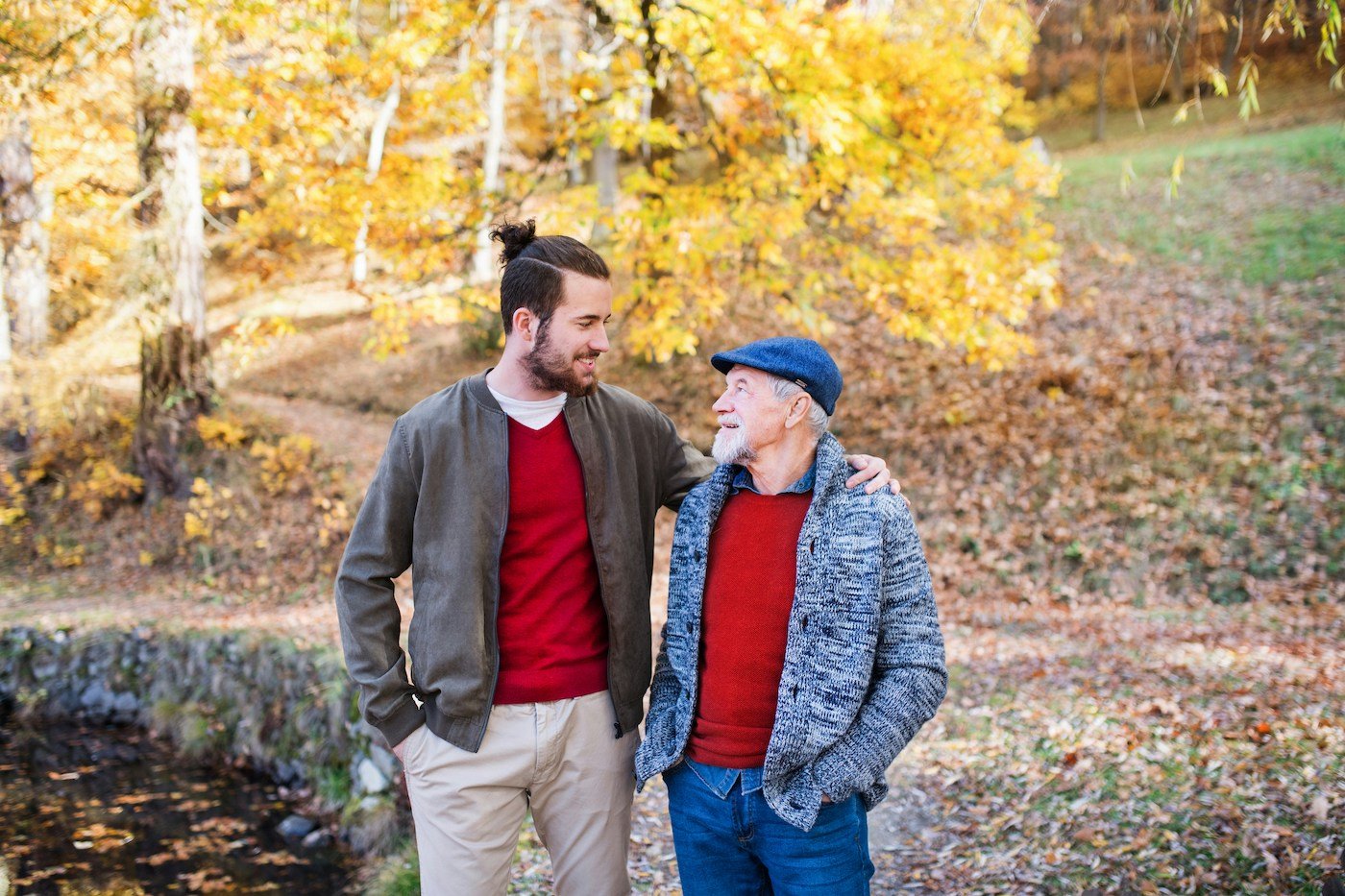
Photo by Getty Images on Unsplash+
“It's not what happens to you, but how you react to it that matters.”
~ Epictetus
It’s a week after Thanksgiving, and you’ve probably had some time to reflect on your holiday. I’m curious about how it went for you? I hope you were able to make some happy memories.
Holidays are always a mixed bag, aren’t they? We look forward to them with such high expectations. We’re happy to see loved ones, especially ones that live far away. We miss the ones who are no longer with us. But a few hours or days into the festivities, things can go awry. Despite our best intentions, if we let others “get to us” and get into squabbles, we can end up with regrets.
Obviously, the challenge about how to react when we’re upset is not a new issue for humans, as evidenced by the above quote by Epictetus, a Greek philosopher born about 50 AD. An influencer of many important thought leaders throughout history, he maintained that the foundation of all philosophy is self-knowledge.
In that vein, in my last post, I talked about processing our feelings and mining them for sensitivities that can arise from traumatic past experiences and color our feelings in the present. In this post, I’ll discuss how to use what we’ve uncovered to help us decide how to respond to hurtful interactions.
Having done our own internal reflection, it can be helpful to take a look at the other side of the communication. Could it be that our loved ones’ normal capacity for empathy is diminished because they’re more stressed out than usual? Is there an emotional maturity issue at play? Hard as it might be to accept, is it possible they may not even have realized that what they said could be considered offensive?
Although we can’t always know where others are coming from, if we allow ourselves to consider situational and personality factors such as these, they can mitigate our painful feelings.
Once we’ve done that analysis, we can move on to making a decision about how we want to respond. It’s important to be very clear about our goals.
Think about how you want to feel after you talk with the person who’s offended you. Here are some possible options for handling the situation:
Don’t respond at all. It’s okay to not respond, and often this is the most reasonable decision. Think of it as ignoring bad behavior in the hopes that it will diminish, especially if you believe the remark was made just to get a rise out of you. If the comment was more irritating than harmful, you may decide to give the person the benefit of the doubt and just let it go.
Delay your response while you evaluate what happened. If you don’t feel ready to respond, it can be useful to ask for more time. You can say something like, “I need to process what just happened before I respond.” It’s much more effective to be direct and ask for a cooling off period rather than to just walk away in anger.
Ask for more information. In order to truly understand, you may need to ask for more details about their comment and its meaning. You might say, “You sound irritated. Can you tell me what’s going on?” This can bring focus to their emotional state in the event they were not aware of how they were coming across.
Say how you feel or explain your perception of the situation at hand. It’s okay to ask just to be heard, understanding that they likely won’t see things the same way. Sometimes using our voice is almost more important than achieving a particular outcome, especially when we speak up to say that we feel hurt.
Establish a boundary. When we’re very clear that we don’t want to be spoken to in a certain way, or don’t want to have a particular discussion, especially one that has become repetitive, it can help to set a firm boundary. You can say, “I need you to lower your voice before I can continue this conversation.”
Try to work it out. The quickest way to turn things around in a disagreement is to acknowledge our part in the interaction. This awareness lets the person know you want to work through things peacefully, and gives them an opportunity to make amends as well.
There are no easy answers about the “right” way to respond when you are offended, and for most of us, it’s hard to decide on the fly. Strange as it may sound, there may be an element of trial and error involved. You may have to experiment to see what works best with each individual.
I’ve given you some communication and relationship tools to try, but the learning curve may feel steep at first as you try to implement them. It may take some time for you to feel comfortable, especially if you are not used to such direct communication. Trust that over time you will become more adept.
In this series of posts, I’ve talked about three different aspects of responding to others when they have upset us: pausing to calm ourselves, processing to understand, and deciding how to respond.
The more we learn to break down painful interactions into these components, and analyze each part, the better able we will be to respond in a way that preserves our relationships rather than damages them.
My wish for all of us, especially during this holiday season, is that we continue to learn to communicate effectively with the people who are closest to us. Doing so can give us the chance to more fully enjoy the precious time we have with them.
Affectionately,
Elaine